Skip to content

Rochester Winters Are Brutal on Garage Floors
If you’ve lived in Rochester for long, you know what winter brings—heavy snow, freezing temperatures, and lots of road salt. Every time you pull into your garage, you track in a mixture of snow, slush, and salt that melts and pools on your concrete floor.
It might not seem like a big deal at first, but over time this winter grime takes a serious toll. Unprotected concrete absorbs water and salt like a sponge. That leads to cracking, pitting, and surface breakdown that only gets worse with each freeze-thaw cycle.
The good news? You can fight back. A professionally applied concrete coating creates a strong, protective barrier that defends your garage floor from winter damage. It’s one of the smartest ways to winterize your garage.
The Hidden Dangers of Winter on Bare Concrete
Bare concrete might look tough, but winter reveals its weaknesses. Here’s what’s happening under your tires and boots:
Melted snow seeps into hairline cracks and pores in the surface. When temperatures drop, that water freezes and expands, widening cracks and causing spalling.
Road salt is highly corrosive. It eats away at the top layer of concrete and can even reach embedded metal supports, leading to long-term structural problems.
Daily temperature swings from warm afternoons to freezing nights stress the concrete. The repeated expansion and contraction weaken the slab over time.
The result? A garage floor that starts to flake, chip, or crumble—especially near the entrance where snow and salt collect. These issues aren’t just cosmetic. They can reduce the value of your home and cost thousands to repair.
Concrete Coatings: Your Garage Floor’s Winter Armor
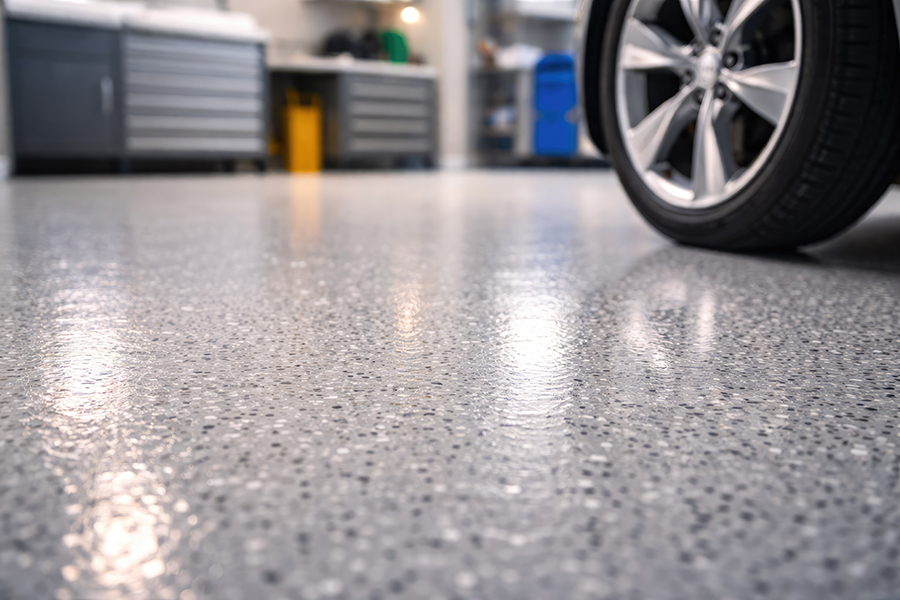
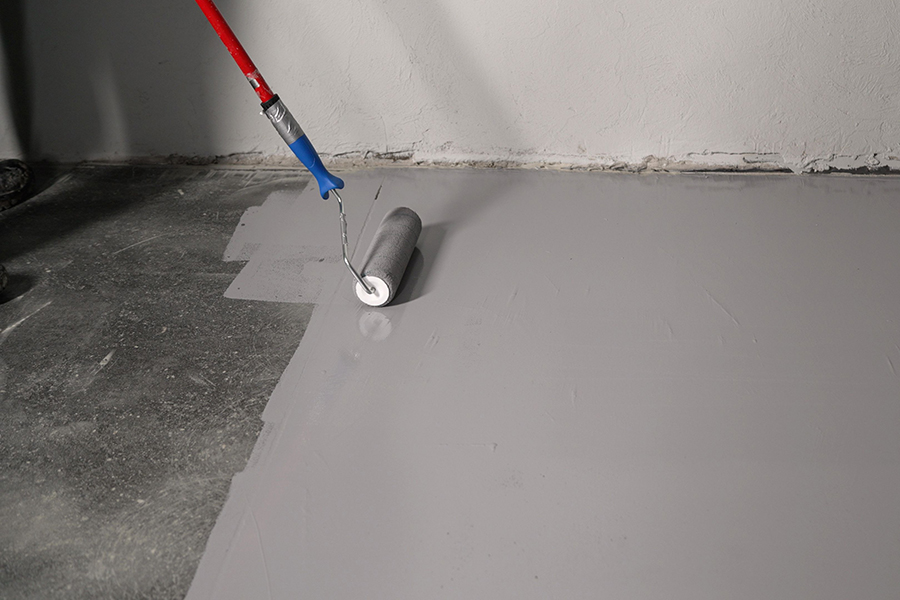
A high-quality concrete coating—like those installed by Profeta Garage Floors—forms an impermeable seal over your floor. That means snowmelt, salt, and chemicals stay on the surface, where they can be easily cleaned up.
Professional coatings, whether epoxy or advanced polyaspartic systems, are:
Moisture-resistant
Salt-resistant
Impact- and chemical-resistant
They prevent water from soaking into the concrete and stop salt from penetrating and corroding the slab. Even better, coated floors are incredibly easy to clean. You don’t have to worry about deep stains or white salt rings setting in.
In short, a coated floor keeps the damage out and protects your investment—season after season.
Safer Footing with Slip-Resistant Coatings
Winter means wet garage floors. When snow melts off your car, the surrounding area becomes a slippery zone. Bare concrete gets slick fast, especially when smooth or polished.
That’s why Profeta Garage Floors offers slip-resistant finishes. We can add textured flakes or grit to the topcoat to improve traction and reduce the risk of falls.
This upgrade is especially important for families. Whether you’re carrying groceries, kids, or tools across the garage, better footing gives peace of mind during icy months.
Easier Winter Maintenance
Cleaning a coated floor is a breeze—even in the worst of winter. Slush, ice melt, and muddy water stay on the surface. You can mop them up, sweep them out, or use a floor squeegee to push the mess away.
To remove salt residue, just wipe the area with a mild vinegar-water solution. No scrubbing; No staining; No damage.
Compare that to bare concrete, which absorbs water and leaves crusty salt buildup behind. Over time, that buildup can etch the surface and leave it looking permanently stained.
With a coating in place, your garage stays cleaner, safer, and easier to maintain all winter long.
When to Coat: Timing Is Everything
If you’re thinking about coating your garage floor before winter, the best time is late summer through early fall. That gives you plenty of time to prepare before the snow flies.
But what if you’ve missed that window? Don’t worry. At Profeta Garage Floors, we use polyaspartic coating systems that can be applied in colder conditions. Unlike traditional epoxy, which requires warm, dry environments, polyaspartic coatings cure quickly—even in chilly temperatures.
That means we can often complete jobs in the fall or even during early winter, depending on your garage conditions. Still, it’s best to schedule early to get ahead of the weather and avoid the seasonal rush.
Extra Tips for Winter Garage Prep
Even if your floor isn’t coated yet, there are steps you can take to minimize winter wear:
Use floor mats or containment trays under vehicles to catch slush and saltwater runoff.
Rinse mats regularly to prevent salt from building up underneath.
Sweep and mop often to keep snow and grime from sitting on the concrete.
Once your floor is coated, you can still use mats for added protection—but they’re no longer essential. Your floor will be sealed and ready to handle the worst that Rochester can throw at it.
Why a Concrete Coating Is a Smart Winter Investment
Rochester winters are tough—but your garage doesn’t have to suffer. A concrete coating offers year-round benefits, but winter is when it really shines.
You’ll enjoy:
A floor that doesn’t crack, chip, or flake from salt and moisture
A safer, non-slip surface when snow and ice melt
Easy cleanup and a cleaner-looking garage
Protection that lasts 10 to 15 years or more
Even better, a coated floor improves the appearance and value of your home. It transforms your garage from a mess zone into a clean, polished, functional space.
Ready to Winterize Your Garage?
Don’t wait until your garage is already damaged. Get ahead of winter by sealing and protecting your floor with a professional-grade coating from Profeta Garage Floors.
We’re a locally owned Rochester company with years of experience installing garage, basement, and patio coatings that stand up to Upstate New York’s harshest seasons. Our coatings come with a 15-year warranty and expert installation—often completed in just one day.
Contact us now to schedule a free consultation or learn more about how to protect your garage this winter. It’s never too early—or too late—to winterize your floor the right way.
Visit www.profetagaragefloors.com to get started today.